

The Complete Guide to Dog Life Jacket Vests
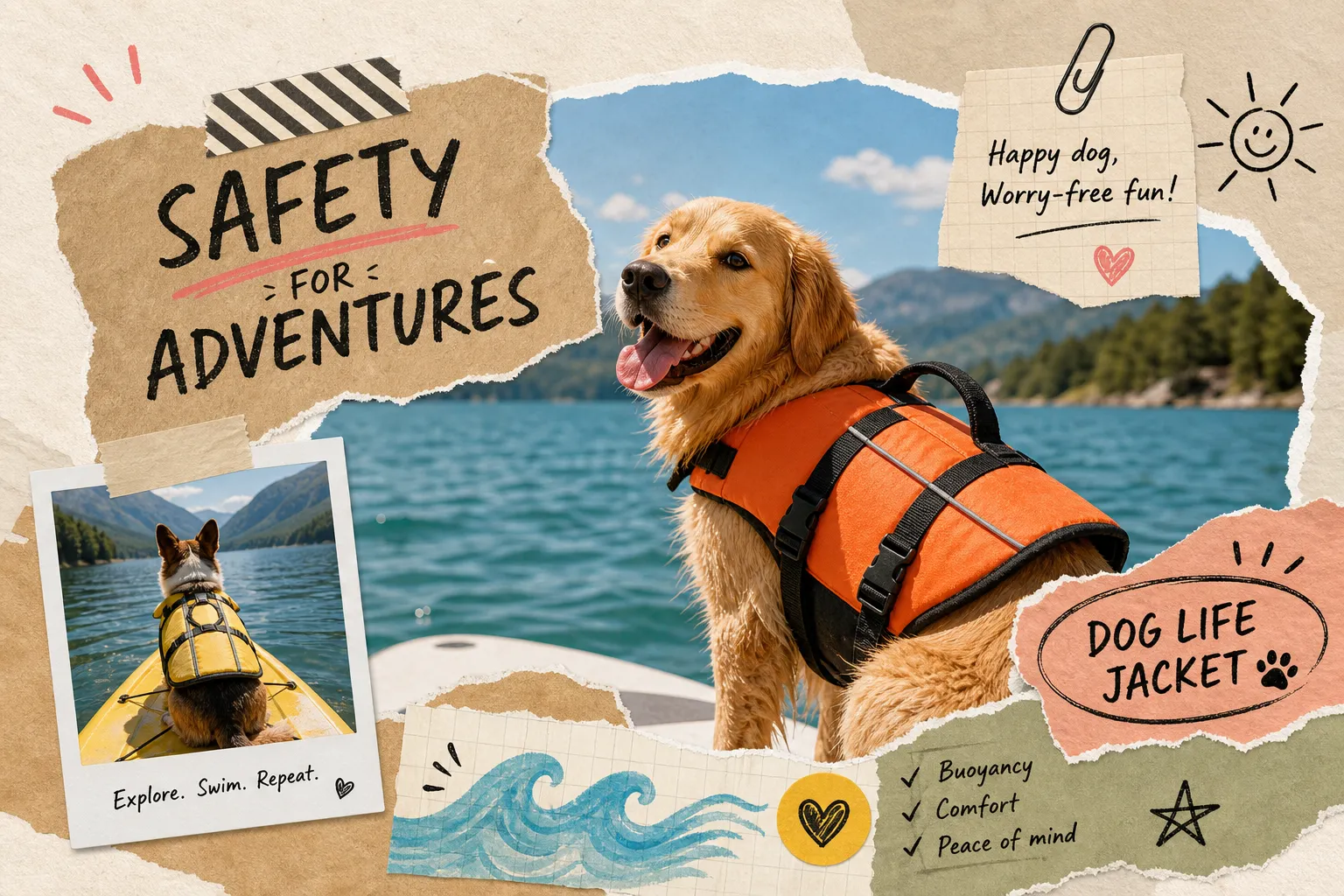
A dog life jacket vest can save your dog's life, and that's not an overstatement. Most dog owners assume their dog can swim. That assumption has cost a lot of dogs their lives. Industry estimates suggest around 5,000 dogs drown in the United States each year, most of them in backyard pools, and many of those dogs were considered strong swimmers by their owners. At Brent's Pet Store, we hear this exact concern every spring as boating season ramps up and customers start planning lake trips with their dogs.
A canine flotation vest isn't gear for anxious owners or nervous first-timers. It's practical safety equipment for any dog that spends time near open water, regardless of how well they swim. By the end of this guide, you'll know when your dog actually needs one, what features separate a quality jacket from a mediocre one, how to measure and size it correctly, and how to get your dog comfortable wearing it before you ever hit the water.
When Your Dog Actually Needs a Dog Life Vest
Breeds and Physical Conditions That Put Dogs at Real Risk
Not all dogs are natural swimmers, and some are genuinely terrible at it. Brachycephalic breeds like Bulldogs, Pugs, and Boxers have a flat-face anatomy that makes keeping their airway above the waterline a constant struggle. Short-legged breeds like Dachshunds and Corgis tire out quickly because their legs simply don't generate enough propulsion to sustain them in open water. Senior dogs and puppies lack the stamina and coordination for sustained swimming, even in calm conditions.
Even breeds that carry a reputation for loving water, like Labs and Golden Retrievers, can panic in currents, misjudge their own endurance, or exhaust themselves faster than their owners expect. Drowning in dogs is often a silent event. The dog gets tired, slips below the surface, and there's no dramatic splashing to alert anyone nearby. If your dog falls into any of the above categories, a dog flotation vest is a must.
Activities Where a Dog PFD Is Necessary
Boating is the obvious scenario, but the full list is longer than most people realize. Kayaking and paddleboarding bring your dog close to open water with no solid shore within quick reach. River swimming involves currents that can overpower even strong, fit dogs. Lake and ocean swims in choppy conditions change water behavior unpredictably and reduce visibility for everyone on the water.
Even a backyard pool can be dangerous for a dog that can't find the exit or gets too tired to keep paddling. U.S. boating laws don't require dogs to wear flotation gear, but the BoatUS Foundation and other safety organizations strongly recommend it for any open-water activity. The absence of a legal requirement doesn't change the physics of what happens when a tired dog goes under.
What Makes a Dog Life Jacket Vest Actually Worth Buying
Buoyancy and Foam Placement: Where It Counts Most
The most important specification in any canine flotation vest is how and where the buoyancy foam is positioned. Quality jackets use closed-cell foam, specifically materials like Gaia® foam, CLPE foam, or polyethylene, placed under the belly, sides, and chest. This placement keeps the dog horizontal with the head elevated, which matches the natural swimming posture and prevents water from entering the airway.
Foam placed only on the back creates a sinking hazard because the hindquarters drop below the surface. Always verify that the jacket has foam under the belly panel before purchasing. No certification body verifies these claims for pet flotation devices, since the U.S. Coast Guard doesn't certify dog life jackets at all. That makes the product description and foam placement specs more important than any marketing language on the packaging.
Grab Handle, Leash Ring, and Reflective Trim
A rescue handle on the back of the jacket lets you pull your dog out of the water quickly, it's the critical feature in any emergency. Where the handle sits on the back determines how much control you have on the lift. Shoulder blade placement gives you the most leverage without torquing the dog's spine. A D-ring or clip point adds real value for paddleboarding situations where keeping your dog tethered to the board prevents separation after a fall.
Reflective trim increases visibility in low-light conditions. Dawn and dusk on the water are the highest-risk periods for other boaters to spot a dog overboard, and reflective strips can make the difference in those conditions. These features should be standard on any dog life vest worth buying, not premium upgrades.
Neck Support and Shell Durability
A raised neoprene collar or neck panel helps keep the dog's chin above the waterline when they're fatigued or panicking. This feature is especially important for flat-faced breeds, Bulldogs, Pugs, and French Bulldogs in particular, and for any dog wearing a flotation vest for the first time.
Shell construction determines how well the jacket holds up under real use. Look for 800-denier polyester or 500D to 1680-denier nylon as the durability benchmarks in a dog swim vest built for open water, not occasional lake wading.
How to Measure Your Dog and Pick the Right Size
The Three Measurements That Determine a Proper Fit
Chest girth is the single most important measurement for a dog life jacket vest. Wrap a soft tape measure around the widest part of the ribcage, just behind the front legs, and apply the two-finger rule: the tape should be snug, but you should be able to slide two fingers underneath it. That measurement, combined with your dog's weight, covers most sizing decisions for most brands.
Back length is the second measurement you need. Measure from the base of the neck to the base of the tail to confirm the jacket will cover the dog's torso without bunching or leaving gaps. Neck circumference is a secondary measurement that some brands require, particularly for collar fit. Always check which measurement the specific manufacturer treats as the primary sizing metric before ordering.
What to Do When Your Dog Falls Between Sizes
Sizing charts vary significantly across brands. A "Medium" from one manufacturer can correspond to a "Large" from another, so never assume your dog's size transfers between products. When measurements land in two different size ranges, always default to the larger chest girth size. A vest that's too tight restricts breathing and swimming movement, which defeats the entire purpose of the gear.
Long-bodied breeds like Dachshunds may find that standard jackets don't cover their full back length. That's acceptable as long as the girth fit is correct and the belly panel foam is properly positioned. Body coverage is secondary to fit, a jacket that fits the chest and supports the belly does its job even if it doesn't reach the tail.
The Top Dog Life Jackets Worth Buying Right Now
Note: The products below represent our editorial picks based on verified customer reviews, independently tested performance data, and features evaluated against the criteria in this guide. Brent's Pet Store carries select items from this list.
Best Overall and Best Budget Picks
The Ruffwear Float Coat consistently ranks at the top of this category. It uses Gaia® closed-cell foam with strategic belly and neck panel placement, an 800-denier polyester shell, reflective trim, and a telescoping neck for a secure fit across different body shapes. It runs $69.99 to $99.99 depending on size and holds a 4.9-star rating across more than 1,150 reviews, an unusually strong rating at that volume.
For owners who need reliable performance at a lower price point, the Outward Hound Granby Splash is a solid budget option, priced between $19.99 and $22.99 with a 4.7-star rating. It was independently tested by the BoatUS Foundation and rated well for overall performance, which carries real weight given the absence of any industry-wide certification standards for pet flotation devices.
Best for Active Swimmers and Large Breeds
The EzyDog DFD X2 Boost provides up to 50 percent more buoyancy than standard designs and includes two emergency grab handles, making it a strong option for dogs that swim hard in rough or open water. It costs between $62 and $85. For large breeds with deep chests, the Kurgo Surf n' Turf uses durable neoprene construction with adjustable straps and runs $29.99 to $38.95.
The VIVAGLORY Rip Stop deserves a mention for real-world popularity: more than 14,100 reviews on Amazon with a 4.7-star rating, available in six sizes, and priced at $31.99 to $42.99. That review volume represents a meaningful track record across a wide range of breeds and body types, making it a low-risk choice for owners who want a proven, affordable dog life vest.
Getting Your Dog Comfortable Wearing a Canine Flotation Vest
Start on Dry Land, Not at the Water's Edge
A dog that has never worn a flotation vest will likely resist it at first, and forcing it creates a negative association that's hard to undo. The approach that actually works is slow, pressure-free desensitization starting at home, well before any planned water activity. Lay the vest on the floor and let your dog sniff and investigate it without any pressure to interact. Over several sessions, work up to draping it loosely over their back, then fastening one clip, then all clips, rewarding calmly throughout.
Your dog should be able to walk around the house in the fully secured vest without stress or resistance before you ever approach water. Skipping this step is the most common mistake owners make, and it shows up at the dock when the dog refuses to move or panics the moment the vest touches the water.
The First Water Session Sets the Tone
Once your dog is calm and comfortable wearing the vest indoors, move to a shallow, calm water environment: a pool step, a gentle creek bank, or a calm lake shore with a gradual slope. Not a boat dock, not the ocean, not a river with current. Keep the first session under ten minutes and stay close enough to provide reassurance. Let the dog set the pace and enter the water on their own terms.
The vest feels different in water than on land, and that adjustment needs to happen in a low-stakes setting. Once your dog moves comfortably in shallow water with the pet life vest on, you're ready to scale up to your actual planned activity. The time you invest at home and in shallow water pays off every single time you're on a boat or near open water together.
Building Out Your Dog's Complete Water Safety Kit
A dog life jacket is the foundation of water safety gear, but it's rarely the only thing a prepared owner needs. Towels, a portable water station, paw protection for rough docks or rocky shores, and a basic first-aid kit round out a solid kit for any water outing. These aren't extras, they're the difference between a great day and a stressful one.
If you're putting together your dog's water adventure setup, Brent's Pet Store's Safety collection is a practical starting point. The store is organized by collection across care, health, nutrition, safety, and travel, so you're not sorting through irrelevant products to find what you need. Check the Safety collection specifically for dog life vests before your first trip of the season.
Final Thoughts on Keeping Your Dog Safe on the Water
A dog life jacket vest is one of those purchases that feels unnecessary right up until the moment it isn't. The right vest keeps your dog's head up, puts a rescue handle within reach, and makes every water activity measurably safer for everyone involved. The investment is small compared to what it protects.
Start by measuring your dog's chest girth, then cross-reference the brand's sizing chart against that number and their weight. Prioritize foam placement under the belly, grab handle position near the shoulder blades, and visibility features when comparing models. Get your dog comfortable wearing the vest before your first trip out, it's the step most people skip, and it's the one that matters most when you're actually on the water. A well-fitted dog life jacket vest, paired with a little prep work at home, makes every water outing safer and more enjoyable for both of you.