

The Ultimate Pet Grooming Guide for Home Owners
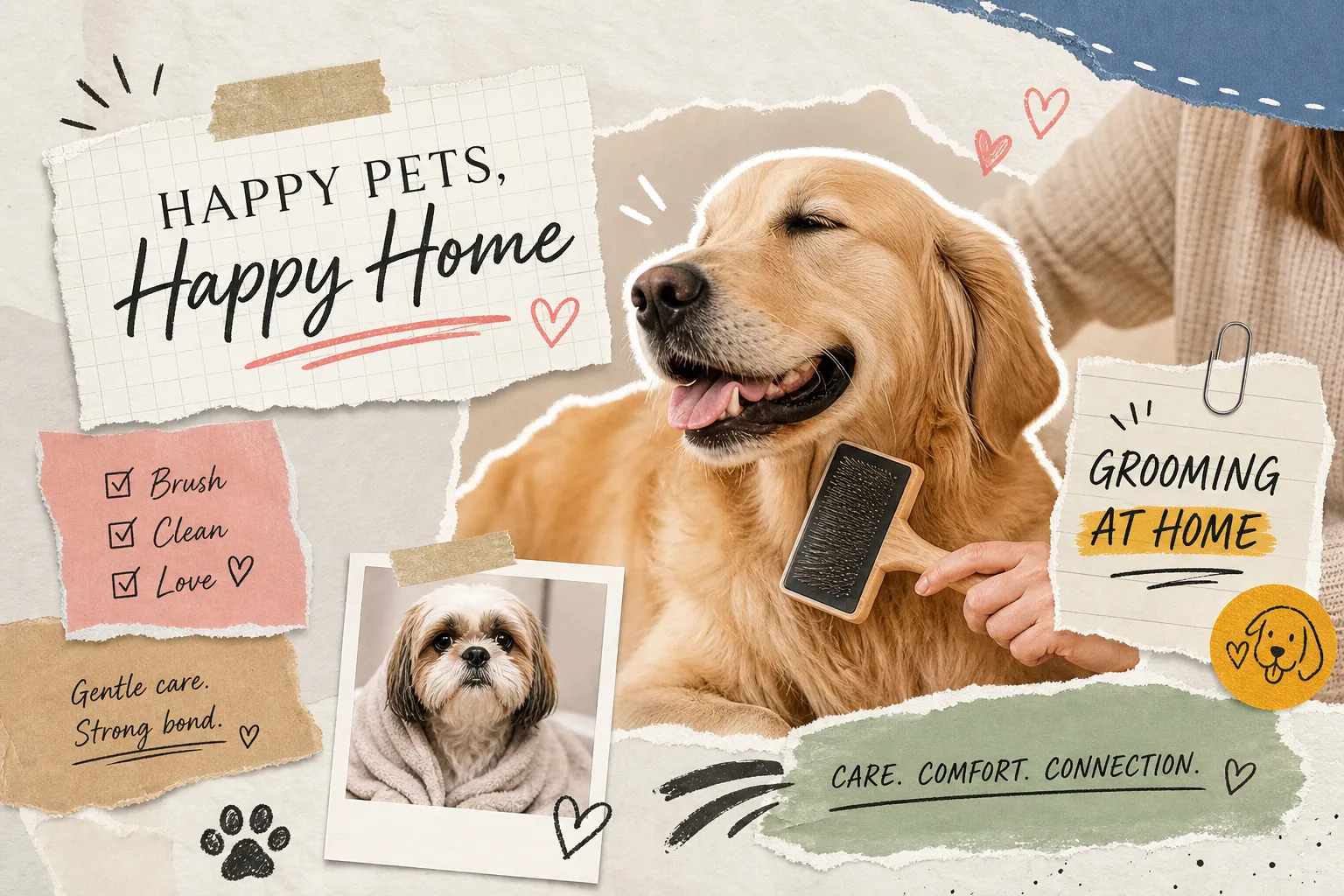
Pet grooming at home can cut professional costs significantly and do more for your pet's health than most owners expect. Every few weeks, the same math hits pet owners hard. A bath, a trim, a nail clip, and suddenly you're looking at anywhere from $30 to $150 depending on the service level, your dog's size, and your location. For a routine that happens six to eight times a year, that adds up to hundreds of dollars spent on services you could largely handle yourself. The real barrier isn't skill. It's knowing where to start and having the right tools within reach.
This guide covers everything a first-time home groomer needs: brushing, bathing, nail trimming, and coat care for both dogs and cats. With beginner-safe tools on hand, the process is genuinely straightforward. You don't need a professional salon setup or years of practice. You need a clear process and a little patience.
Why pet grooming at home is worth learning
The practical payoff is real. Regular at-home grooming reduces how often you need to book a professional appointment, and it strengthens the relationship between you and your pet. Grooming sessions also function as informal health checks. You'll notice early signs of skin irritation, unusual lumps, ear buildup, or parasites before they turn into vet bills.
The idea that home grooming is only for experienced hands is a myth. Most routine maintenance tasks require nothing more than consistency, calm handling, and the right tool for the job. A beginner can absolutely start with something simple like brushing or a nail trim and build confidence from there.
The real cost of skipping regular grooming
Neglected coats mat quickly, especially on long-haired or double-coated breeds. Overgrown nails can contribute to altered stance or gait if left untrimmed, and buildup around the ears and eyes leads to infections that could have been prevented. When you finally do book a professional groomer after a long gap, expect extra fees. Dematting alone runs $10 to $34 per half hour at most salons. Consistent at-home care eliminates most of those surcharges.
Pet grooming frequency for dogs and cats
Short-haired dogs like Boxers and Beagles need brushing once a week. Double-coated breeds such as Huskies and Golden Retrievers need two to three sessions weekly, and daily brushing during spring and fall shedding seasons. Long-haired breeds like Afghan Hounds and Shih Tzus need daily brushing to prevent tangles.
Most cats handle their own coat maintenance but benefit from regular brushing and occasional nail trims. Long-haired cats like Maine Coons need daily attention to stay mat-free, while short-haired cats generally do well with a weekly session.
Building your starter pet grooming kit
New pet owners often skip buying the right tools, try to make do with whatever's available, and have a frustrating first session. A discouraging first attempt can make the whole routine feel not worth repeating. A good starter kit doesn't need to be expensive or exhaustive. It just needs to be matched to your pet's coat type and species.
Brent's Pet Store carries a grooming collection organized by coat type and species, making it a practical starting point if you're building your kit from scratch and want to find home-use tools without sorting through options designed for professional salon environments.
Essential tools for home dog grooming
The core kit for most dogs includes a slicker brush or deshedding tool suited to the coat type, nail clippers or a nail grinder, a dog-safe shampoo, and a non-slip mat for the tub. Tool quality matters most for nail trimming. Dull clippers crush the nail instead of cutting cleanly, which causes discomfort and makes future sessions harder. Invest in decent clippers early and the rest of the process gets easier.
What cat grooming requires (it's simpler than you think)
Cats need a gentler approach and fewer tools. A fine-tooth comb or rubber grooming glove works well for most coat types, and small nail scissors designed specifically for cats handle trims without the pressure of dog clippers. Keep sessions short from the start, ideally under five minutes, and build tolerance gradually. Cats that are introduced to grooming gently and consistently become far easier to work with over time.
Brushing basics: the foundation of a good pet grooming routine
Brushing is one of the most impactful habits you can build. Done regularly, it prevents matting, reduces shedding throughout the house, distributes natural skin oils for a healthier coat, and keeps your pet more comfortable. It also gives you a regular opportunity to check the skin for anything unusual.
Matching your brush to your dog's coat type
Short and smooth-coated dogs do well with a rubber curry comb or a bristle brush. Double-coated breeds need a slicker brush and an undercoat rake to get through the dense underlayer without just skimming the surface. Long-haired dogs require a pin brush with rounded tips to stay gentle on the skin, followed by a metal comb to confirm you haven't missed any tangles. For curly-coated breeds like Poodles, a slicker brush is the go-to for breaking up mats before they tighten. If you want guidance on brushes by coat, resources that review best brushes by coat type can help you match tools to your dog's needs.
How to brush a cat without turning it into a battle
Start with the areas cats genuinely enjoy being touched: behind the ears, along the back, and under the chin. Those early positive associations build tolerance for less comfortable areas like the belly and tail. Keep the first few sessions under five minutes and stop before your cat gets restless. Long-haired cats need daily brushing to avoid mats, while short-haired domestic cats do fine with a weekly session using a rubber grooming glove.
How to bathe your pet at home safely
Bathing feels intimidating the first time and becomes routine by the third. The difference between a stressful bath and a manageable one comes down almost entirely to preparation. A rushed setup creates an anxious pet and a mess. A calm, well-organized setup typically wraps up in well under an hour and ends well for everyone involved.
Step-by-step: bathing your dog at home
Always brush before the bath. Wet mats tighten and become far harder to remove. Use lukewarm water and apply dog-safe shampoo from the neck down, keeping the ears and eyes clear. Rinse thoroughly until the water runs completely clear. Incomplete rinsing is one of the most common causes of post-bath skin irritation. Dry completely after the bath, paying attention to skin folds and dense coats where moisture hides. Brachycephalic breeds like Bulldogs and Pugs, and senior dogs, need extra care with water temperature and drying time.
Bathing a cat: when to try it and when to skip it
Most cats are fastidious self-groomers and genuinely don't need baths. The exceptions include cats that get into something sticky or toxic, cats with a skin condition being treated under vet guidance, and hairless breeds that accumulate oil on their skin. If a bath is necessary, use only cat-specific shampoo, dog shampoo contains ingredients that are harmful to cats, place a non-slip towel in the tub, keep it fast, and wrap the cat in a warm towel immediately after. Have a helper if you can, and work calmly and efficiently.
Nail trimming without the nerves
Nail trimming gets skipped more than any other part of home pet grooming. Owners fear cutting the quick (the blood vessel that runs through the nail), and one bad experience can make the whole routine feel high-risk. That fear is understandable, but with the right setup and technique, it's actually one of the quickest parts of the routine.
Trimming your dog's nails at home
In light-colored nails, the quick appears as a visible pink line. In dark nails, trim in small increments and stop when you see a dark dot appear in the center of the cut surface. That dot indicates you're close to the quick. Always keep styptic powder nearby for accidents. Clip only the tip at a 45-degree angle, reward generously throughout, and keep sessions positive. Nail grinders are a strong alternative for dogs that react badly to the pressure of clippers, as the gradual sanding gives you more precise control.
Clipping cat nails: a gentler approach
Cat nails are thinner and translucent, which makes the pink quick easy to identify. Gently press the paw pad to extend the claw, identify where the quick ends, and clip just the sharp curved tip. For cats that resist, trim one or two nails per session rather than forcing a full trim at once. That approach is slower, but it keeps the experience manageable and builds trust over time.
Finishing touches and when to call a professional groomer
A complete grooming session ends with a few quick checks that turn a cosmetic task into a real wellness habit. Gently wipe the outer ear with a damp cotton pad (never insert anything into the ear canal), wipe away eye discharge for flat-faced breeds, and do a quick pass over the coat looking for unusual lumps, redness, or signs of parasites. These two minutes of attention regularly catch issues early.
De-shedding, drying, and keeping the coat healthy between sessions
De-shedding tools like the FURminator make a significant difference for heavy shedders during peak seasons. After using one, make sure your pet is fully dried following every bath. Moisture trapped under a dense coat creates the conditions for fungal growth, so thorough drying matters more than most owners realize. Diet and hydration also affect coat quality directly. A well-fed, well-hydrated pet has a noticeably healthier coat between sessions.
When to book a professional grooming appointment
Home grooming has real limits, and knowing them is part of doing it well. Matting that's tight to the skin needs a professional with the right tools to remove safely. Severe anxiety during handling, breed-specific cuts like a Poodle's continental clip, and ear infections all require professional dog grooming services. Mobile pet grooming is worth considering for anxious pets, since the cage-free, one-on-one environment reduces stress compared to a busy salon. For most pet owners, a professional grooming appointment every 6 to 10 weeks alongside consistent home maintenance is a practical rhythm that keeps costs manageable without sacrificing results.
When evaluating groomers, ask to see their certifications. Credentials like the CMG from the NDGAA or the ICMG from IPG signal the highest level of professional training. Fear Free certification is another strong indicator that the groomer prioritizes low-stress handling. Red flags include refusing to show you the grooming area, skipping intake questions about your pet's health history, and claiming everything went perfectly when your pet is known to struggle with specific tools.
Start with one task and build from there
Pet grooming at home is a skill, and like any skill, it gets faster and easier every time you practice. Your first attempt won't be perfect. That's expected and completely fine. What matters is consistency, the right tools, and learning to read your pet's comfort cues so each session ends on a positive note.
Brent's Pet Store carries the grooming tools to get you started, organized by coat type and category so you can find what your pet needs without sifting through products aimed at professional use. The learning curve is shorter than most owners expect, especially when the tools are matched to home use from the start.
Pick one grooming task this week, start there, and build the habit from that single win. A consistent home pet grooming routine is one of the simplest ways to keep your pet healthy, reduce professional grooming costs, and strengthen the relationship between you two.